RON FREITAS
District Attorney
Office of the District Attorney
Protecting our community for 175 Years
Protecting our community for 175 Years







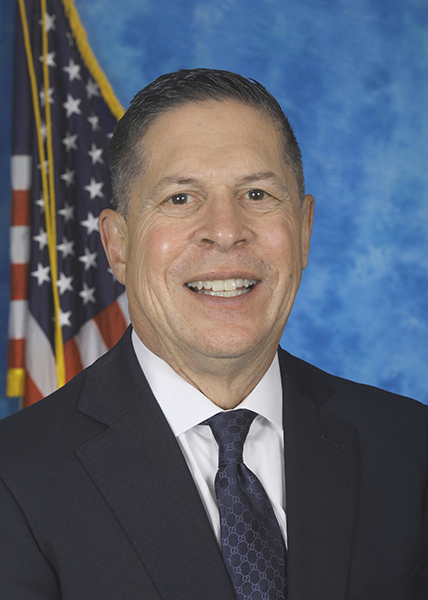

Ronald J. Freitas is the 42nd District Attorney to lead San Joaquin County’s chief law enforcement agency. This administration maintains a zero-tolerance approach to prosecuting criminals, working with local, state, and federal partners to create a safe and secure San Joaquin County for everyone.
"The mission of the District Attorney's Office is to bring justice and closure to victims of crime."

“True public safety requires a collaboration
between law enforcement and the community.” - Betsy Hodges
When you search for a gift online, the first links you see are often there because someone paid for the spot. They are not always the best match. Scammers know this. During the holidays, they buy ads that look like real stores and hope a hurried shopper will click, pay, and hand over personal information.
A few seconds of attention can protect your money and your identity. Here is what to look for.
A search page mixes two kinds of links:
Google is the most widely used search engine, so we will use it as the example. Google groups its text ads under a "Sponsored results" label, usually at the top of the page and sometimes again at the bottom. Product photos with prices are labeled "Sponsored products". A "Hide sponsored results" button lets you collapse the text ads.
Most ads come from real companies. The problem is that scammers can buy ads too, and a fake store's ad can sit right beside a genuine one.
Keep in mind that an AI summary can also be wrong. Treat any store, link or phone number it gives you as something to check, not as a recommendation.
Shopping directly inside a store's own app, is often safer than clicking through search results. You are already inside the real store, and its sponsored listings lead to product pages in the same app, not to an outside website.
These apps still sell ad space. A product marked "Sponsored" paid for its position, so it is not necessarily the best or cheapest choice. Many items also come from outside sellers. Check who the seller is and read the reviews before you buy.
Act quickly. The sooner you start, the less damage a thief can do.
Sources: FTC consumer alert, Google on its "Sponsored results" label, Google on ads and AI Overviews, FTC on identity theft.


A Family Justice Center is a collaborative model of service delivery that brings together a range of resources and support services under one roof to better serve victims of Domestic Violence, Human Trafficking, Sexual Assault, Elder Abuse, Child Abuse, and Stalking.
The goal of a Family Justice Center is to provide comprehensive and coordinated support to individuals and families affected by abuse, helping them to feel safe and supported as they navigate the process of seeking help and rebuilding their lives.
Visit the Family Justice Center